⚠ This website is under construction — some pages and features are still being built.
Explore Library Gallery Book Blog FAQs
ancient gestures, modern wellbeing

Your hands hold the
quiet key to wellness

Discover the 5,000-year-old practice of yoga mudras — simple hand gestures that calm the mind, sharpen focus and restore balance.

watch & learn

Fifteen seconds is all it takes

Short, silent clips you can follow along with.

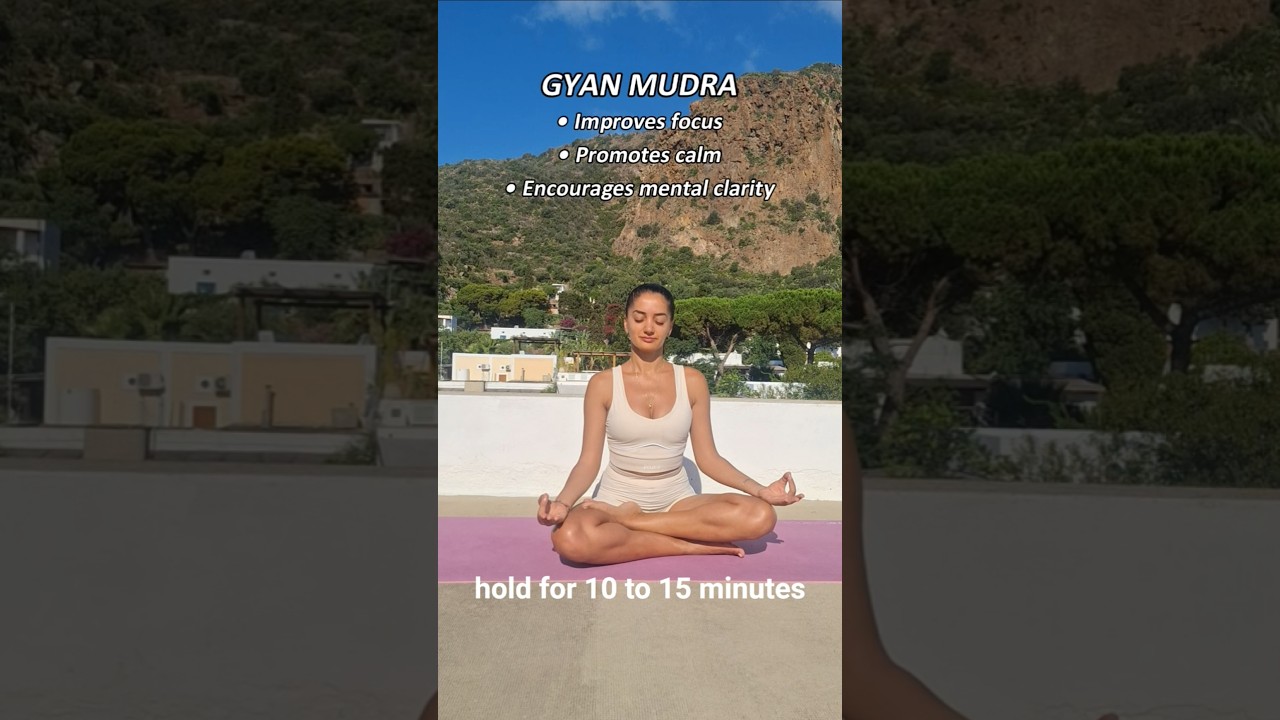
Gyan Mudra — The Knowledge Seal · 0:16

Gyan Mudra

The Knowledge Seal · 0:16

Prana Mudra — The Life Force Seal · 0:14

Prana Mudra

The Life Force Seal · 0:14

Vayu Mudra — The Air Seal · 0:14

Vayu Mudra

The Air Seal · 0:14

the meaning of the word

What is a mudra?

mud
joy, delight
ra
to draw forth

“That which draws forth joy.”

In Sanskrit, a mudra is a seal — a deliberate gesture that closes a circuit in the body. Each finger carries one of the five elements, and bringing them together in a hand mudra directs that energy inward. It is the smallest possible act of yoga, and it asks nothing of you but attention.

Read the science behind mudras
no barrier to entry

Mudras are for everyone,
everywhere

A practice without borders — of age or gender, colour or creed, wealth or work. Wherever you are, whenever you like, your hands are the only passport you need.

A diverse group of four adults seated on mats in a flowering garden practising Anjali Mudra together
A garden circle · Anjali Mudra
A woman seated cross-legged on a woven mat at the shoreline at sunrise, both hands in Gyan Mudra, eyes softly closed
At the shoreline · Gyan Mudra
A woman standing beside a mountain river holding Anjali Mudra with palms pressed together at her chest
By the river · Anjali Mudra
A young man seated cross-legged on a wooden deck in a city park, hands open on his knees in Gyan Mudra
A city park, mid-morning
An older Asian man standing in a misty forest with eyes closed, holding Anjali Mudra serenely at his chest
A forest morning · Anjali Mudra
An older woman and a young boy sitting side by side on a wooden deck, both holding the same hand mudra and laughing
Two generations, one gesture
What it asks of you

Almost nothing.

Two hands

The entire equipment list. Nothing to buy, nothing to unroll.

Five minutes

Shorter than making coffee. Long enough to feel the difference.

Any seat

A desk chair, a train window, the quiet edge of your bed.

why mudras

A moment of stillness,
a lifetime of balance

Hold a gesture for a few minutes a day and feel the shift — in how you think, how your body works, and how you feel.

the science & the basics

Small gestures,
measurable calm

Each fingertip maps to a dense field of nerve endings. Bringing them together in a mudra sends a steady, deliberate signal to the nervous system — a physical cue the mind learns to follow.

  • The vagus nerve — gentle pressure supports the body's rest-and-restore response.
  • Sensory feedback — the fingertips carry some of the body's richest nerve density.
  • The five elements — each finger represents fire, air, space, earth or water in Ayurvedic tradition.
  • Ritual & attention — a repeated gesture becomes an anchor for a calmer state.
Read the full science of mudras
breathe · touch · settle
history & origins

Five thousand years
in the making

c. 3000 BCE

Ancient roots

First traces of ritual hand gestures appear across early Indus practices.

Classical era

Yoga & texts

Mudras formalised within yogic, tantric and meditative traditions.

Across cultures

A shared language

Gesture and symbolism echo through art, classical dance and devotion.

Today

Modern wellness

A quiet, portable practice rediscovered for focus and calm.

before you begin

Gentle guidelines

The whole practice fits into a few simple ideas. The rest is patience.

01

Sit comfortably

A quiet, upright seat is all you need — a chair is fine. Relax the shoulders and soften the breath.

02

Be gentle

Touch the fingers lightly. Mudras are about intention and contact, never force or pressure.

03

Stay a while

Hold for ten to fifteen minutes and let the calm build. Consistency beats duration every time.

in praise of the practice

What stillness teaches

Yoga is attained through practice; success in mudras comes by practice.
Hatha Yoga Pradipika · 15th century
Yoga is the stilling of the fluctuations of the mind.
Patanjali · Yoga Sutras 1.2
go deeper

Recommended reading

Where to turn next, starting with the two yoga mudras books written for this practice.

Mudras for Beginners book cover — by Shiv Kumar, showing a woman practising Anjali Mudra in a garden

Mudras for Beginners

★★★★★

The essential collection of foundational yoga mudras — clearly illustrated, simply explained, and easy to start today. No prior experience needed.

"I got the book for my health and wellbeing. Read it within an hour. We as people should learn from other cultures. Knowledge is power."

★★★★★ Queenie Verified purchase · Amazon US · October 2024
Get the mudras book →
Mudra Mastery: Beyond the Basics book cover — by Shiv Kumar, showing a woman by the sea

Mudra Mastery: Beyond the Basics

★★★★★

For those ready to go further — slightly advanced mudras for specific health goals and deeper states of wellbeing.

Get the mudras book →
common questions

Questions people ask

What is a mudra?
A mudra is a symbolic hand gesture used in yoga and meditation. The word joins the Sanskrit mud (joy, delight) and ra (to draw forth) — that which draws forth joy. Each gesture positions the fingers to balance the body's five elements. Browse them all in the mudra library.
How long should I hold a mudra?
Most hand mudras are held for ten to fifteen minutes. Some, like Hakini Mudra, work in as little as two to five minutes. Deeper practices such as Vayu Mudra and Prana Mudra suit longer sessions of thirty to forty-five minutes. Consistency matters more than duration.
Can children practise mudras?
Yes. Mudras need no strength, flexibility or equipment, so a school-going child can learn them as easily as an adult. Anjali Mudra and Gyan Mudra are a gentle place to begin.
How quickly do mudras work?
Many people notice a settling effect within the first few minutes, particularly with calming mudras. Deeper physical benefits build gradually with regular daily practice over several weeks.
What is the difference between yoga mudras and hand mudras?
They are the same practice, two names for one thing. Hasta mudra is the Sanskrit term meaning hand gesture; yoga mudras and hand mudras are simply the English expressions used interchangeably for the same gestures. On this site the terms are used as equals — whatever brought you here, you are in the right place. Browse the mudra library to begin.
Do I need to be flexible or experienced in yoga?
No. Mudras are practised seated, using only the hands. No prior yoga experience, flexibility or fitness is required — a chair works perfectly well. Start with the practice guidelines.